If your wardrobe is overflowing with clothes you no longer wear, you’re sitting on more money than you might think. Selling unwanted clothes has become one of the most popular side hustles in Australia. It costs nothing to get started, and the extra cash can really add up over time.
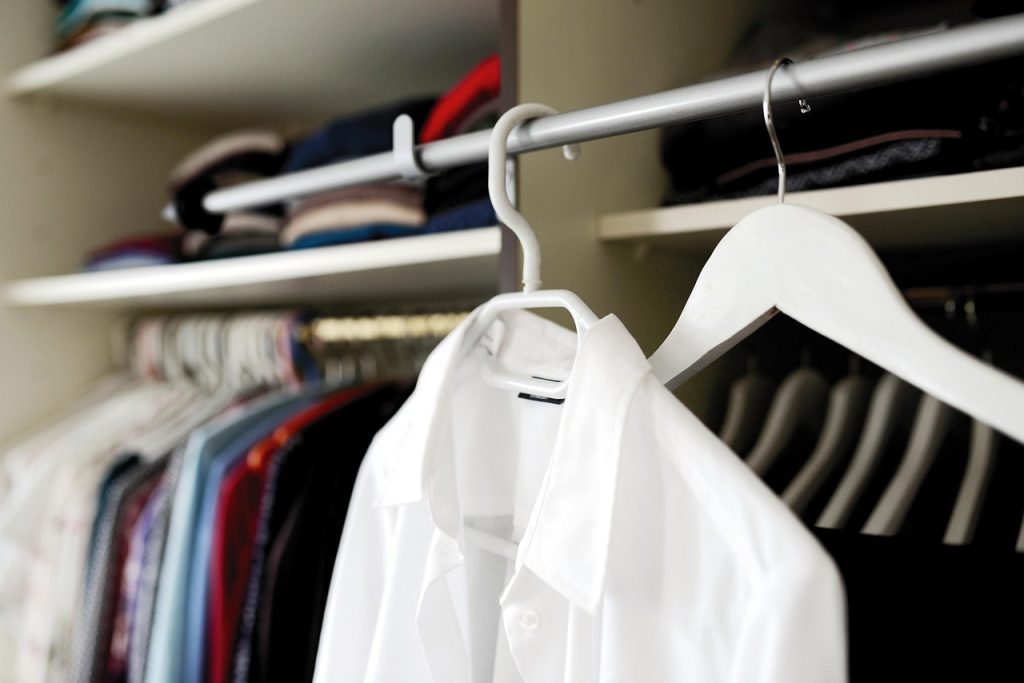
Why Selling Old Clothes Is a Great Side Hustle
The second-hand clothing market in Australia has grown enormously in recent years. More and more people are shopping sustainably, which means buyers are actively looking for pre-loved items. That’s great news if you’ve got clothes gathering dust.
It doesn’t take much time, no special skills are needed, and your unwanted items are essentially free inventory. Once a system is figured out, listings can be put up in just a few minutes.
The Best Platforms for Selling Clothes Online in Australia
eBay Australia
eBay Australia is one of the largest and most trusted second-hand marketplaces in the country. Both auction-style and fixed-price listings can be created, which gives you flexibility depending on how quickly you want to sell.
eBay works well for branded items, vintage clothing, and anything with a known resale value. It’s also worth knowing that fees are charged on each sale, so it pays to factor that into your pricing.
Depop
Depop is a favourite among younger sellers and buyers. It has a social-media-style layout, which makes it easy for listings to be discovered by people browsing for second-hand fashion.
Depop tends to perform well for streetwear, vintage pieces, and unique or trendy items. Clear photos and a consistent aesthetic on your profile can make a big difference to how quickly things sell.
Facebook Marketplace
Facebook Marketplace is a free platform where local buyers can be connected with directly. No shipping is required if a local pickup is arranged, which keeps things simple and saves on postage costs.
It’s a great option for bulk lots, kids’ clothing bundles, and items that might not fetch high prices individually.
Gumtree
Gumtree is another option for local sales in Australia. It’s been around for years and still has a large, active user base. Listings are free to post, and it works especially well for selling locally without the hassle of postage.
A word of caution: As with Marketplace, unfortunately scammers tend to target the platform. To minimise the risk of scams, gumtree recommends that sellers meet in a public place and bring along a friend. Many sellers will also insist on cash only, to avoid bank transfer scams.
Face-to-Face Selling: Markets, Car Boot Sales, and Consignment Stores
Online platforms are convenient, but face-to-face selling has its own advantages. No postage is needed, payment is received on the spot, and buyers can see exactly what they’re getting. For those who enjoy a social atmosphere, it can also be a lot of fun.
Car Boot Sales
Car boot sales are a classic way to offload a large volume of clothes quickly. A boot full of pre-loved items can be set up in minutes, and plenty of bargain hunters are always on the lookout for a good find.
Car boot sales are held regularly across Australia, often on weekends in school car parks, showgrounds, or community centres. Stall fees are usually quite low, and cash is collected directly on the day.
It’s worth pricing things clearly and cheaply as the goal at a car boot sale is volume, not top dollar. Bundling items (such as “3 for $5”) tends to work really well in this setting.
Markets
Pre-loved clothing markets and community markets are a step up from car boot sales. They tend to attract more foot traffic and buyers who are specifically looking for second-hand goods. A stall fee is usually charged by the organiser, but the earning potential is generally higher.
Popular markets for selling second-hand clothing can be found across most Australian cities and towns.
A search for local markets in your area will often turn up plenty of options. Presentation is also important at markets, as items that are neatly folded or hung on a rack tend to attract more attention than a pile on a table.
Consignment Stores
Consignment stores are a hands-off option that suits people who don’t want to manage their own listings or stalls. Items are dropped off at the store, and when something sells, a percentage of the sale price is kept by the store with the rest going to you.
This approach works particularly well for higher-quality or designer pieces, and for sellers with a large volume of clothes.
It’s a good idea to ask about the commission split and how long items will be kept before being returned or donated. Terms can vary quite a bit between stores.
Don’t Forget About Old School Uniforms
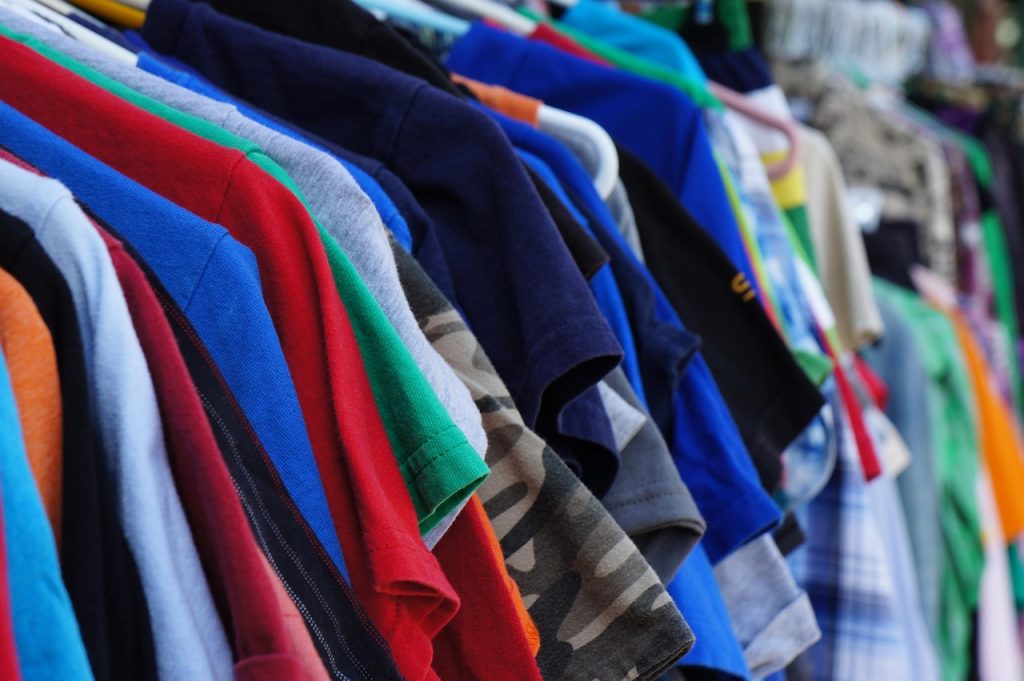
School uniforms are one of the most overlooked sources of second-hand income for Australian families. Kids grow quickly, which means uniforms are often outgrown before they’re worn out. Rather than letting them sit in a cupboard, they can be sold for a surprisingly decent amount.
Second-Hand Uniform Shops
Many schools run their own second-hand uniform shops or connect families with a parent-run resale program. These are worth checking first, as uniforms can often be sold or exchanged directly through the school community.
Outside of school programs, there are dedicated second-hand uniform shops and services across Australia where good-condition uniforms can be dropped off and sold. These include online businesses, such as The Uniform Exchange, and Uniform Swap Shop, as well as bricks and mortar stores, such as Secondhand School Supplies in Geelong.
Facebook Groups
Many local areas have dedicated Facebook groups for buying and selling school uniforms. A quick search for your suburb or school name will often bring up an active group. These communities are free to use and highly targeted, meaning the right buyers are already there.
Online Platforms
School uniforms can also be listed on Facebook Marketplace, Gumtree, or eBay. Searching for your school’s uniform brand on these platforms will give you a sense of what prices are being asked, so your listings can be priced competitively.
Tips for Selling Clothes Successfully
Take Good Photos
Items are much more likely to sell when they’re photographed well. Natural light works best, and flat-lay or on-hanger shots tend to look clean and appealing. Any stains or wear should also be shown clearly as honesty builds trust with buyers.
Write Descriptive Listings
The brand, size, condition, and fabric should all be included in your listing. Measurements can also be added, as sizing varies between brands (a good idea is to place a tape measure on top of the item for some of the photos). The more detail that’s provided upfront, the fewer questions you’ll receive, and the more confident buyers will feel.
Price Fairly
A quick search for similar items on the platform you’re using will give a good idea of what price is reasonable. Items priced too high tend to sit unsold, while fair pricing leads to faster sales and positive reviews. Think about whether to incorporate postage into the price, as buyers often look for items with free postage.
Bundle Where Possible
Grouping similar items together, such as a bundle of size 10 kids’ clothes, can make listings more attractive to buyers looking for value. Bundles also mean fewer individual listings to manage.
Post Regularly
On platforms like Depop and Facebook Marketplace, newer listings tend to appear higher in search results. Posting consistently keeps your items visible to more potential buyers.
What Sells Best in Australia?
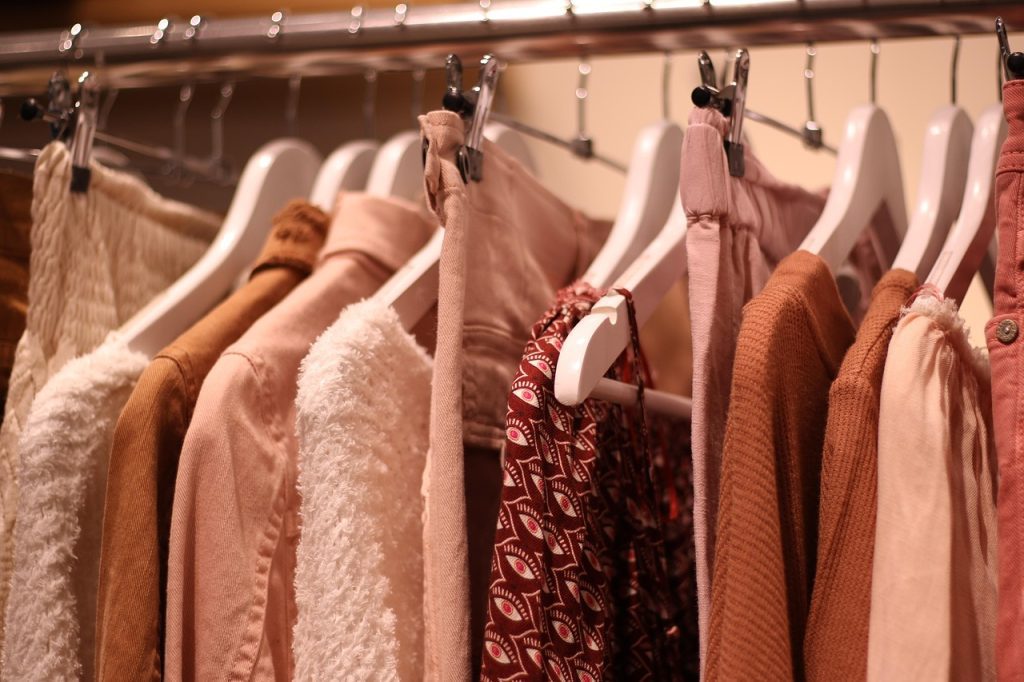
Certain types of clothing tend to move faster than others. Brand-name pieces from labels like Country Road, Seed, Cotton On, and Lululemon are always in demand. Vintage and retro clothing also sells well, particularly on Depop.
Children’s clothing is highly sought after because kids grow out of things so quickly. Work and activewear in good condition also finds buyers easily. And as mentioned, school uniforms, especially from well-known private or public schools, can attract a lot of interest.
How Much Can Be Made?
Earnings vary depending on what’s being sold and how much effort is put into the listings. Some sellers make a few hundred dollars clearing out a wardrobe, while others turn it into an ongoing side income by regularly sourcing and reselling clothes from op shops or markets.
Even at a conservative estimate, selling 20–30 items per month could bring in anywhere from $150 to $500 or more, depending on the items.
Final Thoughts
Selling unwanted clothes in Australia is one of the easiest ways to earn extra money on the side. It can be done at your own pace, from home, with no upfront costs. Platforms like eBay, Depop, and Facebook Marketplace make it straightforward to reach buyers across the country.
And if there are old school uniforms sitting in a drawer somewhere, those are absolutely worth selling too.
Start small, get comfortable with the process, and go from there. Your wardrobe might just be worth more than you think.