Looking for a side hustle that doesn’t require experience and can fit in around a full-time job? Vending machines are an increasingly popular way to earn money with minimal work beyond the initial set up. Whether you’re after a few hundred dollars extra each month or planning to scale into a full-time venture, the vending machine industry offers a great side hustle opportunity.
Why Start a Vending Machine Side Hustle?
Unlike traditional businesses that demand constant attention, vending machines operate around the clock with minimal supervision. Once you’ve secured a good location and stocked your machine, the income flows in largely on autopilot.
According to industry data, the typical vending machine in Australia generates between $3,700 and $6,000 in annual net profit, with machines in high-traffic locations such as gyms, and hospitals often earning considerably more. For side hustlers, even one or two well-placed machines can add meaningful income each month without requiring full-time commitment.
The Australian vending machine market is experiencing steady growth, with contactless payment adoption, healthier product options, and smart technology integration driving consumer demand. This creates an excellent environment for new operators to enter the market.
Upfront Costs: What You’ll Need to Invest
Understanding the initial investment is crucial before diving into the vending machine business. Here’s a breakdown of typical costs you can expect in Australia:
1. Vending Machine Purchase
The biggest upfront expense is the machine itself. Prices vary based on type, features, and condition:
• Basic snack or combo machines: $5,000 – $7,000 for new, quality models
• Mid-range machines with advanced features: $8,500 – $11,500 (touchscreen, cashless payments, custom branding)
• Premium or specialty machines: $12,000 – $14,000+ (fresh food vending, European or American-made)
• Used/refurbished machines: $2,000 – $6,000 (be cautious about reliability and energy efficiency)
Most experts recommend starting with a quality new or recently refurbished machine to avoid frequent breakdowns and repair costs.
2. Initial Stock Investment
Budget around $300 – $800 for your first stock order, depending on machine size and product selection. Buying wholesale from suppliers like Costco or specialist distributors will help maximise your profit margins.
3. Location Costs
Some locations charge rent or commission (typically 10-30% of sales), while others may provide space for free if your machine benefits their customers or employees. High-traffic commercial locations usually require payment arrangements.
4. Delivery and Installation
Factor in delivery fees and any electrical work needed. Many suppliers include delivery and basic setup, but confirm this before purchasing.
5. Insurance and Compliance
Budget for public liability insurance. You’ll also need to ensure your machine meets Australian electrical safety standards and food safety regulations if vending food or beverages.
Total Initial Investment: Expect to invest approximately $6,000 – $12,000 to get your first machine operational, including the machine, initial stock, and setup costs.
Ongoing Costs and Expenses
Beyond the initial investment, you’ll need to account for regular operating expenses:
• Stock replenishment: Your primary ongoing cost, which scales with sales
• Electricity: Approximately $400 – $700 annually for refrigerated machines
• Maintenance and repairs: $300 – $600 annually for routine servicing; major repairs can cost up to $1,500
• Transport/fuel: Costs for visiting machines to restock and collect cash
• Location fees or commission: If applicable to your placement agreement
Pros of a Vending Machine Side Hustle
While the initial setup requires some research and investment, there are a lot of positives about this type of side hustle.
– Passive Income Potential
This is one of the main reasons why people in the industry enjoy this side hustle, Once set up, vending machines generate income 24/7 with minimal ongoing effort. You’re not trading hours for dollars.
– Low Time Commitment
Most operators spend just a few hours per week restocking and maintaining their machines, making this ideal for people with full-time jobs.
– Highly Scalable
Start with one machine and expand as you learn the business. Many successful operators manage 10-50+ machines across multiple locations.
– Simple Business Model
No special skills or qualifications required. The business is straightforward: buy stock, fill machines, collect money.
– Cash Flow Friendly
With modern cashless payment systems, money flows directly into your bank account. No invoicing or chasing payments.
– Family-Friendly Business
Family members can easily help with stocking, accounting, and machine maintenance, making it a collaborative venture.
Cons and Challenges
As with all side hustles, there are some downsides to consider.
– Location is Critical
A machine in a poor location can take years to break even or may never be profitable. Finding and securing prime spots requires effort and negotiation.
– Upfront Investment Required
While not as capital-intensive as many businesses, you still need several thousand dollars to get started properly.
– Maintenance and Repairs
Machines can break down, and repairs can be costly. Poor-quality machines may require frequent servicing.
– Competition
Popular locations may already have vending machines, making it harder to secure premium spots.
– Vandalism and Theft
Machines in public areas can be targets for vandalism or theft, though this is less common in secured locations like offices.
– Payback Period
Most machines take 12-18 months to recoup the initial investment, requiring patience and consistent effort.
How to Get Started:
Step 1: Research and Planning
Start by researching the vending machine industry in your area. Identify potential locations with high foot traffic and under-served demand. Consider what products would sell best in different settings.
Step 2: Secure Your Location
Finding the right location is perhaps the most important step. Target high-traffic areas such as gyms, office buildings, schools, hospitals, and manufacturing facilities. Approach property managers or business owners with a professional proposal outlining the benefits of having your machine on their premises.
Step 3: Choose Your Machine Type
Select a machine that matches your location and target market:
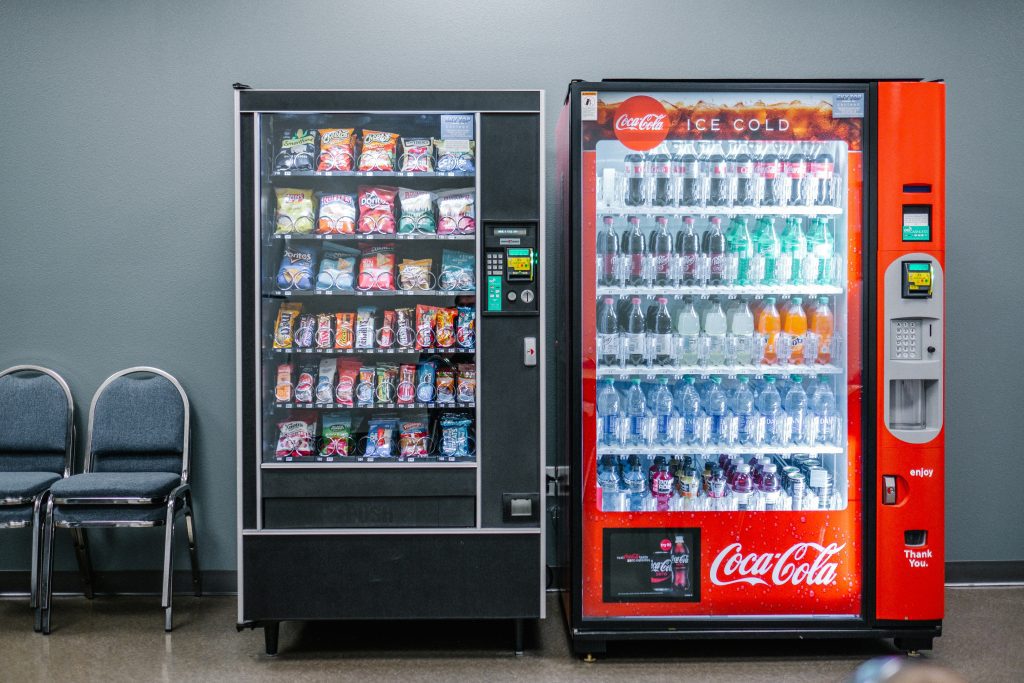
• Snack machines: Ideal for offices and gyms
• Beverage machines: Popular in all high-traffic locations
• Combo machines: Versatile option offering both snacks and drinks
• Fresh food machines: Growing market for health-conscious locations
Ensure your machine has cashless payment capabilities. This can increase sales by 20-30% according to industry data.
Step 4: Purchase Your Machine
Buy from a reputable Australian supplier that offers warranty, technical support, and machines compliant with Australian standards.
Step 5: Register Your Business
Register for an ABN and GST if your annual turnover exceeds $75,000. Set up proper accounting systems to track income, expenses, and inventory.
Step 6: Source Your Products
Find wholesale suppliers offering competitive prices. Popular wholesale options include Costco, specialist food distributors, and direct manufacturer relationships.
Step 7: Install and Stock Your Machine
Coordinate delivery and installation, ensuring all electrical and safety requirements are met. Stock your machine strategically based on location demographics and preferences.
Step 8: Maintain and Optimise
Visit your machine regularly to restock, clean, and collect money. Track sales data to identify best-selling products and optimise your inventory. Respond promptly to any maintenance issues to keep customers satisfied.
Where to Buy Vending Machines in Australia
Choosing a reliable supplier is crucial for long-term success. Here are a couple of reputable Australian vending machine suppliers to consider:
– Worldwide Vending
Worldwide Vending offers custom-configured machines with lifetime technical support, competitive pricing, and energy-efficient operation. They specialise in snack, beverage, combo, and fresh food machines with cashless payment systems.
Visit Worldwide Vending
– Royal Vending Machines
A leading supplier offering high-quality, Australian-certified machines at competitive prices. They provide custom-built machines with 24-month warranties and affordable replacement parts.
Visit Royal Vending
Pro Tips When Buying:
• Get quotes from at least 3 suppliers to compare prices and services
• Verify warranty coverage (standard is 12-24 months on parts)
• Ensure machines comply with Australian electrical safety standards
• Check what technical support is included
• Ask about financing or leasing options if needed
Maximising your profits
There are a few ways to maximise your earnings:
– Choose the Right Products
Stock products that match your location’s demographics. Gyms might favor protein bars and sports drinks, while offices might prefer coffee, soft drinks, and snacks. Monitor sales data and adjust accordingly.
– Embrace Healthy Options
The trend toward healthier snacking is strong in Australia. Consider stocking protein bars, gluten-free options, and diet beverages alongside traditional snacks.
– Negotiate Wholesale Prices
Your profit margin depends heavily on product costs. Buy in bulk, negotiate discounts, and compare suppliers regularly to maximise your margins.
– Keep Machines Clean and Well-Maintained
A clean, well-functioning machine encourages repeat business. Schedule regular cleaning and preventative maintenance to avoid costly breakdowns.
– Provide Excellent Customer Service
Display clear contact information on your machines so customers can report issues. Respond promptly to complaints and refund requests to maintain goodwill.
Overall, a vending machine business can be an excellent side hustle for Australians seeking passive income with minimal time commitment. While the business requires initial capital and patience during the payback period, the long-term benefits of scalable, passive income make it an attractive option for motivated side hustlers.